Amazon's Best Sellers List: How It Works & What Sellers Need to Know
This post may contain affiliate links. Please read ourdisclosure policy
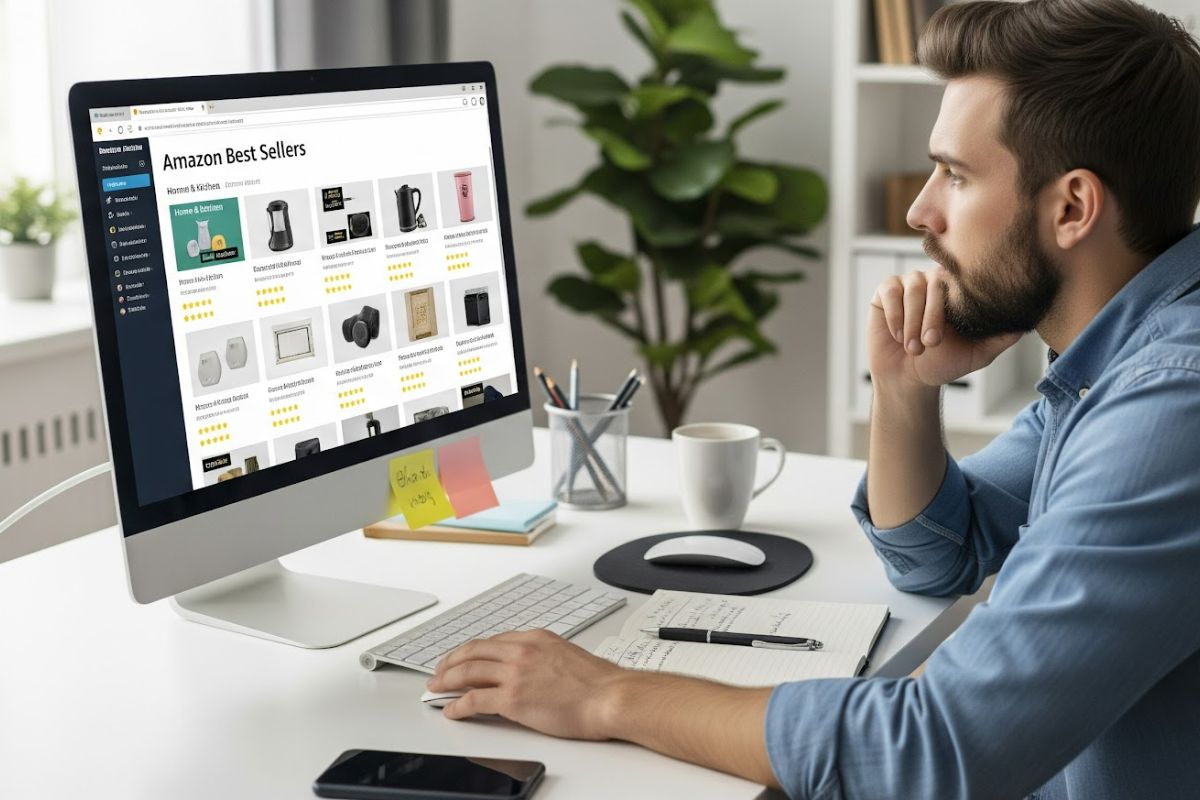
The Amazon Best Sellers list represents one of the most powerful visibility tools on the platform, with 89% of shoppers reporting they check these rankings before making purchase decisions. As a seller, understanding how this system functions isn't just helpful—it's essential for marketplace success. Amazon's ranking mechanism has evolved significantly since its inception, becoming more sophisticated while remaining somewhat mysterious in its exact workings. This guide breaks down everything you need to know about Amazon's Best Sellers Rank (BSR), how it's calculated, and how you can use this knowledge to your advantage.
What Is Amazon's Best Sellers Rank (BSR)?
Amazon's Best Sellers Rank (BSR) represents a critical metric for sellers and brands operating on the platform. Each product that has recorded at least one sale receives this numerical ranking, commonly referred to as a "sales rank." The fundamental purpose of BSR is to quantify sales performance within specific marketplace categories.
Category-Specific Rankings
BSR operates on a category-by-category basis, meaning products receive distinct rankings for each category where they're listed. For instance, a kitchen gadget might simultaneously hold position #350 in Kitchen & Dining while ranking #1,200 in Home & Garden. This categorical approach allows for more precise performance measurement within specific market segments.
Visibility Benefits
When products achieve particularly strong BSR positions—especially nearing the coveted #1 spot—they gain additional visibility through appearance in Amazon's "Best Sellers" category lists. These curated collections showcase top-performing products, driving incremental traffic beyond standard search results.
Best Seller Badge
Perhaps the most recognizable symbol of BSR success is the "Best Seller" badge displayed prominently on product listings. This distinctive orange label appears when products reach top ranking thresholds within their respective categories. Though Amazon doesn't publicly disclose exact qualification criteria, products typically need to achieve a top position within a specific category or subcategory to receive this designation.
How Amazon Calculates Best Sellers Rank
While Amazon maintains confidentiality regarding the exact BSR algorithm, industry consensus identifies several key factors driving these rankings.
Sales Velocity Prioritization
Recent sales performance carries substantially more weight than historical data in BSR calculations. A product might maintain steady sales for months, but can be quickly outranked by a competitor experiencing a sudden sales surge. This recency bias creates a dynamic ranking environment where positions fluctuate regularly.
Update Frequency
BSR updates occur frequently, typically on an hourly basis for most categories. This creates a near real-time reflection of marketplace performance. However, update intervals may vary by category, with less competitive niches potentially experiencing less frequent refreshes.
Relative Performance Metrics
Rankings exist within a competitive ecosystem where your BSR depends not only on your performance but also on competitor activities. Your product's rank can decline despite maintaining consistent sales if competitors achieve higher sales velocity during the same period.
Inventory Availability Impact
Stockouts represent a significant threat to BSR's positioning. When products become unavailable, their rankings decline rapidly. Once inventory is replenished, regaining previous BSR positions often requires substantial time and sales momentum.
Promotional Influence
Strategic promotions, including Lightning Deals, coupons, and discounts, can temporarily boost BSR through increased sales velocity. However, these improvements typically revert to baseline levels after promotional periods conclude unless sustained sales momentum continues.
BSR vs. Amazon Search Rankings: Key Differences
BSR and search rankings represent two distinct Amazon systems that operate independently yet influence each other indirectly.
Different Driving Factors
BSR derives exclusively from sales performance metrics and doesn't factor in keywords, listing quality, or other optimization elements. Conversely, search rankings incorporate numerous variables, including relevance, conversion rates, pricing strategy, and customer feedback.
Independent Algorithms
Amazon evaluates search placement through its A9 algorithm, which operates separately from BSR calculations. A product might achieve excellent BSR yet remain virtually invisible in search results without proper listing optimization. The inverse also holds true—products can appear prominently in search results but demonstrate poor BSR if they fail to convert browsers into buyers.
Complementary Relationship
Despite their independence, these systems form a complementary relationship. Strong search visibility typically leads to increased sales, subsequently improving BSR. Likewise, products with exceptional BSR often generate algorithmic signals that can positively influence search rankings over time.
Finding and Interpreting BSR Information
Amazon displays BSR information in several locations throughout the platform, making this data readily accessible to both sellers and consumers.
Product Listing Locations
The most direct method for checking BSR involves examining the "Product Information" or "Product Details" section of any listing. This area typically appears mid-page on desktop views and contains comprehensive product specifications, including current BSR positions for all relevant categories.
Best Sellers Lists
Amazon maintains dedicated Best Sellers pages organized by department and subcategory. These pages showcase the current top-performing products based on BSR and update regularly throughout the day. Accessing these lists provides valuable competitive intelligence and market trend insights.
Contextual Interpretation
BSR requires contextual interpretation based on category size and competition levels. A #5,000 ranking in Books (a massive category with millions of products) represents stronger performance than the same ranking in a niche subcategory with limited inventory. Understanding these relative differences proves crucial for meaningful analysis.
Limitations and Caveats
Despite its value, BSR presents several important limitations that sellers should recognize when developing marketplace strategies.
Performance vs. Quality Distinction
BSR exclusively measures sales performance rather than product quality. High-ranking products don't necessarily deliver superior customer experiences—they simply sell more units than competitors. This distinction explains why products with mediocre reviews sometimes outrank higher-rated alternatives.
Ranking Volatility
BSR positions can fluctuate dramatically over short timeframes, particularly for products with moderate sales volumes. These rapid shifts make point-in-time BSR snapshots potentially misleading without tracking trends over extended periods.
Inventory Management Challenges
Stockouts cause disproportionate BSR damage that extends beyond the direct revenue loss. The rankings momentum sacrificed during inventory gaps often requires weeks or months to rebuild, emphasizing the critical importance of supply chain management.
No Algorithmic Shortcuts
Amazon's systems detect and penalize artificial sales manipulation attempts. Sustainable BSR improvements require genuine customer purchases rather than black-hat tactics that violate marketplace policies.
Market-Specific Rankings
Each Amazon marketplace (US, UK, Germany, etc.) maintains independent BSR systems. Strong performance in one region doesn't translate to equivalent rankings in international marketplaces, requiring market-specific strategies for global brands.
Strategic Takeaways for Amazon Sellers
The Best Sellers Rank system remains one of Amazon's most powerful yet misunderstood mechanisms. While achieving a high BSR can significantly boost your product's visibility and credibility, it's merely one component of a comprehensive Amazon strategy. The most successful sellers recognize that BSR is ultimately a reflection of effective product development, marketing, and customer satisfaction rather than a goal in itself. By focusing on creating genuine customer value, maintaining consistent inventory, and implementing strategic promotions, you'll naturally improve your BSR while building a sustainable Amazon business. Remember that Amazon's ecosystem continues to evolve, making adaptability and continuous learning essential skills for marketplace success in 2025 and beyond.