BaBylissPRO Nano Titanium Ultra-Sleek Hair Straightener: Salon Results Without the Guesswork
This post may contain affiliate links. Please read ourdisclosure policy
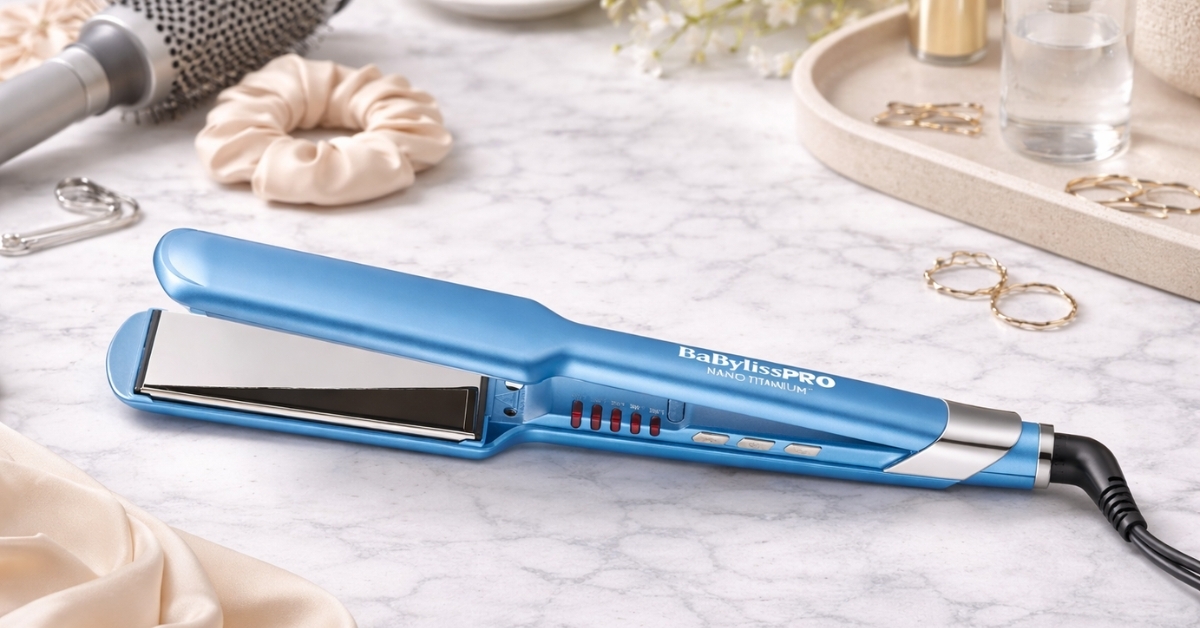
Hair tools promise a lot, but very few deliver results that actually feel professional once heat meets hair. The BaBylissPRO Nano Titanium Ultra-Sleek Hair Straightener has earned long-term attention in salons and at home for one simple reason: it works fast and stays consistent. Designed for real-world styling, this tool focuses on even heat, smooth glide, and reliable performance instead of flashy extras.
If frizz shows up the moment humidity hits or straightening takes too many passes, the problem often comes down to plate material and temperature stability. Titanium tools solve that issue differently than ceramic models, and that difference becomes obvious after the first use. This breakdown covers what matters, what to watch out for, and how this straightener performs across hair types. Here’s
BaBylissPRO Nano Titanium Ultra-Sleek Hair Straightener: Core Design and Features
The BaBylissPRO Nano Titanium Ultra-Sleek Hair Straightener uses ultra-smooth nano titanium plates designed to transfer heat evenly from root to tip. Titanium conducts heat faster than ceramic, which reduces the need for repeated passes over the same section. Key specifications include:
- Maximum heat up to 450°F
- Full-floating plates for consistent contact
- LED temperature display
- 9-foot professional swivel cord
- Available in 1-inch, 1.5-inch, and 2-inch plate sizes
On Amazon US, the current price across all plate sizes typically sits at $99.99, with occasional sales dropping it closer to $80 during major retail events. This straightener is commonly grouped with professional hair straighteners, especially in salon settings where speed and durability matter.
How Nano Titanium Plates Affect Hair Performance
Nano titanium plates differ from standard metal or ceramic surfaces at a microscopic level. The smoother surface reduces friction, which helps prevent snagging and uneven pressure. According to material studies cited by the Professional Beauty Association, titanium tools heat faster and recover temperature more efficiently than ceramic plates, especially at higher settings. Benefits you notice during use:
- Faster heat-up time
- Smoother glide with less pulling
- Better performance on coarse or dense hair
The tradeoff is that titanium requires more attention to temperature selection, particularly for fine or chemically processed hair. This plate technology is a major reason the tool is often recommended among titanium flat irons for high-resistance textures.
Heat Settings and Control for Different Hair Types
Temperature flexibility plays a major role in long-term hair health. This straightener allows precise control instead of preset modes. Suggested temperature ranges based on stylist guidelines from Allure and Modern Salon:
- 300–325°F: fine, fragile, or color-treated hair
- 350–375°F: medium or normal textures
- 400–450°F: thick, coarse, or very curly hair
The consistent heat output means fewer passes are needed, which helps limit total exposure even at higher temperatures. This matters for anyone comparing ceramic vs titanium hair straighteners, as ceramic often requires more repetition to achieve similar results.
Performance on Curly, Thick, Fine, and Color-Treated Hair
Different hair textures respond differently to heat tools, and this model shows clear strengths and limits. Curly and coarse hair: Dense curls straighten faster due to sustained high heat and plate contact. Many users report cutting styling time by roughly 30% compared to ceramic tools, based on side-by-side timing shared in professional stylist forums. Fine hair: Lower heat settings work well, though caution is needed. Titanium reacts quickly, so slow passes at reduced temperatures deliver smoother results without stressing the cuticle. Color-treated hair: Shorter exposure time helps preserve color vibrancy. Fewer passes mean less cumulative heat, which aligns with recommendations from the American Academy of Dermatology on heat styling frequency. These traits make it popular among people searching for the best flat iron for frizzy hair, especially in humid regions.
Styling Versatility Beyond Straightening
Despite the name, this tool handles more than pin-straight styles. You can:
- Create loose waves by rotating the wrist during passes
- Add root lift by angling upward at the scalp
- Flip ends inward or outward for shape
- Smooth flyaways between wash days
The floating plates maintain contact even when angled, which helps with bends and curves. While it does not replace a curling iron entirely, it works well for quick, polished styles without switching tools. This versatility appeals to users looking for salon quality hair tools without building a full styling kit.
Real-World Use: What Holds Up and What Doesn’t
Long-term user feedback shows strong durability. Many verified buyers report 5+ years of consistent use, even with frequent styling. The 9-foot cord and swivel joint receive frequent praise for comfort during extended sessions. Limitations worth noting:
- Some models lack automatic shut-off
- High heat settings require attention to avoid dryness
- Lightweight build means less insulation from heat near the plates
Professional stylists often accept these tradeoffs in exchange for speed and reliability, while home users may need a brief adjustment period.
Comparison With Other Popular Straighteners
Here’s how it stacks up against well-known alternatives:
- CHI: Gentler ceramic heat, slower styling on coarse hair
- ghd: Fixed temperature, simpler use, higher price point
- T3: More digital features, significantly higher cost
- Dyson Corrale: Cordless convenience, heavier build, far higher price
For those prioritizing performance per dollar, the BaBylissPRO consistently ranks high among professional hair straighteners under $100.
Value, Pricing, and Long-Term Cost
At $99.99 on Amazon US, the cost-per-use becomes low over time. With average use three times per week over five years, the tool averages just a few cents per session. The 4-year manufacturer warranty exceeds industry norms, which adds confidence for frequent users. Compared with salon straightening services that often exceed $75 per visit, the value becomes clear after just a few months of use.
Final Thoughts
The BaBylissPRO Nano Titanium Ultra-Sleek Hair Straightener delivers consistent heat, fast styling, and strong durability without unnecessary complexity. It performs especially well on thick, curly, or frizz-prone hair while still offering flexibility for finer textures with the right temperature choice.
If smooth results, time savings, and long-term reliability matter, this tool deserves a closer look on Amazon. While browsing, it also helps to explore heat protectants, styling creams, and alternative plate sizes to match your routine and hair goals.