Crayola Air-Dry Clay: A Complete Guide for Easy Crafting
This post may contain affiliate links. Please read ourdisclosure policy
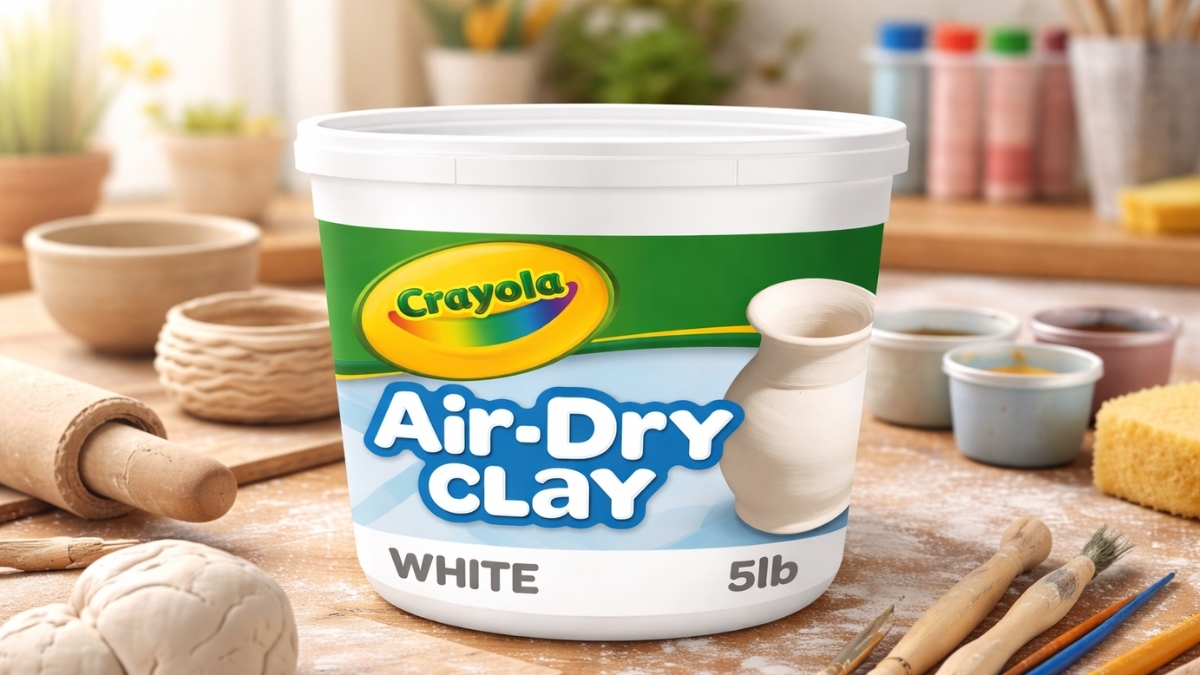
Crayola Air-Dry Clay shows up in homes, classrooms, and craft rooms for good reason. It keeps projects simple. No kiln. No oven. No special setup. Just open the container and start shaping. That ease matters when time is limited and cleanup needs to stay manageable.
This clay works well for kids learning basic sculpting skills. It also fits adults who want stress-free creative time. The texture feels soft right out of the bucket. Details hold their shape without fighting the material.
Projects dry on their own, usually within one to three days, depending on thickness. Crayola Air-Dry Clay is made from natural earth clay and designed for casual crafting.
Finished pieces feel solid once dry and can be painted, sealed, or displayed as-is. Pricing stays affordable, even for larger groups. That balance of cost, safety, and flexibility explains its popularity.
Crayola Air-Dry Clay Basics You Should Know
Crayola Air-Dry Clay uses a natural clay formula that hardens through air exposure. No heat is needed. This makes it practical for homes and classrooms without special equipment. The clay comes smooth and slightly damp. It shapes easily with hands or simple tools.
Once dry, it becomes firm and durable enough for display items, school projects, and light decorative use. Drying time depends on thickness. Thin pieces can dry in about 24 hours. Thicker projects may take up to 72 hours. Good airflow helps achieve even results.
What Comes in the Container
Crayola packages this clay in resealable buckets to help reduce drying between uses. The clay stays workable when stored properly.
Available options include:
- White clay for painting and finishing
- Assorted color packs for no-paint projects
- Bulk sizes for classrooms and group use
The white version remains the most versatile choice, especially for detailed work and painted finishes.
Real Pricing and Size Options
Prices vary slightly by retailer, though these ranges remain consistent across major sellers.
Common options include:
- 2.5 lb white bucket: $6.69–$6.88
- 5 lb white bucket: $13.89–$16.29
- 5 lb two-pack: around $40.49
- 10 lb assorted color pack: about $41.19
- 25 lb bulk white clay: $14.99–$49.44
Smaller buckets work well for home projects. Bulk options make more sense for classrooms and camps.
How to Use Crayola Air-Dry Clay
Start by kneading the clay for a few minutes. This softens the texture and removes air pockets. A smooth start helps prevent cracks later.
Shape the clay using hands, rollers, or basic sculpting tools. Simple techniques work best:
- Rolling slabs for flat designs
- Coiling for bowls and containers
- Pinching for small vessels
- Pressing into molds for repeat shapes
Place finished pieces on wax paper or a silicone mat to dry. Turn items gently after the surface firms up to help airflow.
Painting and Finishing Tips
Once fully dry, the surface accepts paint easily. Acrylic paint works best for bold color. Tempera paint suits classroom projects. Watercolor creates softer effects. Use thin coats. Let each layer dry before adding another. This helps prevent peeling or cracking. Seal finished pieces if they will be handled often. Mod Podge or a clear acrylic spray adds protection and extends display life.
Storage That Keeps Clay Usable
Air exposure dries clay fast. Storage matters.
Best practices include:
- Wrap unused clay tightly in plastic wrap
- Place wrapped clay in an airtight container
- Add a few drops of water if the clay feels stiff
Proper storage keeps the clay usable for weeks between sessions.
Project Ideas by Age Group
Younger kids enjoy simple shapes and textures:
- Handprint keepsakes
- Basic animals
- Small pinch pots
Elementary-age crafters handle more detail:
- Pencil holders
- Name plaques
- Seasonal decorations
Teens and adults often prefer:
- Jewelry dishes
- Ornaments
- Sculptural décor pieces
The clay adapts well to skill growth over time.
Helpful Tips for Better Results
Experienced users often follow a few simple habits:
- Keep a spray bottle nearby for long sessions
- Use foil inside large pieces to reduce weight
- Cover work-in-progress with plastic wrap
- Avoid very thin edges
These steps help improve durability and appearance.
Things to Keep in Mind
Crayola Air-Dry Clay works best for decorative and educational projects. Finished items remain sensitive to moisture unless sealed.
Outdoor use is not recommended without proper coating. Humidity affects drying time. Patience improves results.
Final Thoughts
Crayola Air-Dry Clay offers a low-pressure way to explore sculpting at home or in group settings. The pricing stays accessible. The material feels forgiving. Cleanup stays simple.
For those browsing Amazon, the product listings show multiple sizes and color options worth exploring. Craft tools, paints, and sealants pair well with this clay and open up more creative possibilities. Take time to explore what fits the project and space best. Small changes in technique often lead to better results.