FORTIVO Coyote Urine: Natural Predator Control That Protects Your Garden
This post may contain affiliate links. Please read ourdisclosure policy
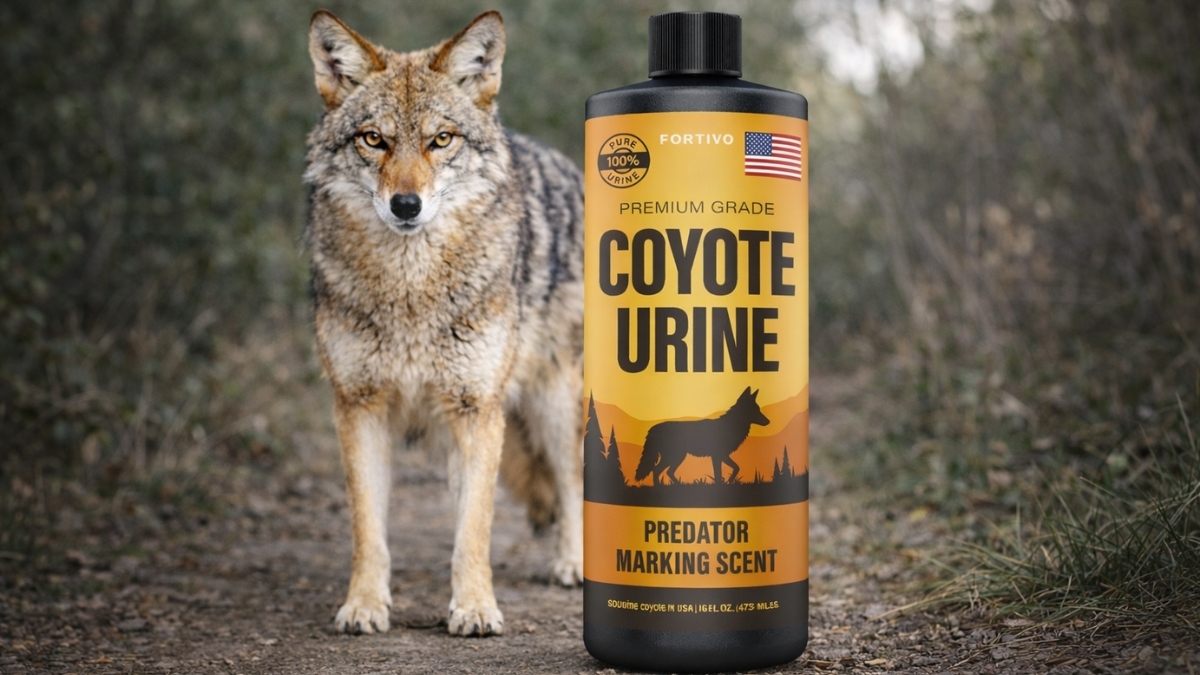
A garden can look perfect at sunset and torn apart by sunrise. Deer chew tender shoots.
Rabbits clip young plants to the soil line. Raccoons dig through mulch like they’re on a mission. If this sounds familiar, FORTIVO Coyote Urine offers a natural way to shift the balance in your favor.
FORTIVO Coyote Urine uses real predator scent to trigger instinctive fear in common backyard pests. Instead of spraying chemicals or installing expensive fencing, you apply a territorial marker that prey animals are hardwired to avoid. Predator-based repellents have been studied in wildlife management for decades, and field research published in journals such as The Journal of Wildlife Management shows reduced browsing activity in areas treated with predator cues.
Why FORTIVO Coyote Urine Works as a Natural Animal Repellent
FORTIVO Coyote Urine is collected from real coyotes and bottled to preserve its active scent compounds. It is not a synthetic fragrance designed to mimic a predator.
That distinction matters because prey animals rely on highly sensitive scent detection systems. Deer, rabbits, raccoons, and squirrels use a specialized organ called the vomeronasal organ to detect predator signals.
When they sense coyote territorial markings, their brains trigger a fear response. The result is avoidance behavior. They move on to a safer feeding area. This is why many gardeners search for coyote urine for deer control.
Deer are prey animals with a strong evolutionary history of avoiding coyotes. In areas with high deer pressure, predator scent can reduce repeated browsing when applied consistently. You are not poisoning or trapping wildlife. You are communicating danger in a language animals already understand.
Real Product Details: Sizes, Pricing, and Coverage
FORTIVO Coyote Urine is available on Amazon US in three common sizes:
- 8 oz bottle – typically around $14.99
- 16 oz bottle – typically around $27.99
- 32 oz bottle – typically around $39.99
The 16 oz bottle generally covers about 1,200 linear feet of light perimeter application, depending on how heavily you apply it. For a standard residential garden, that size often lasts several weeks with proper spacing.
The bottle is designed to limit UV exposure, since sunlight can break down scent compounds over time. Stored in a cool, dark place, the product has a shelf life of up to two years. For best results, many gardeners pair it with scent stakes or cotton balls placed in small ventilated containers.
How to Use FORTIVO Coyote Urine for Best Results
Application strategy makes a big difference. Simply sprinkling it randomly around the yard is rarely enough.
1. Create a Perimeter Barrier
Apply a thin line around the outer edge of your garden, flower beds, or lawn. Focus on known entry points such as fence gaps or wooded edges.
2. Set Up Scent Stations
Soak cotton balls and place them inside small containers with holes. Space them 8–10 feet apart. This creates a slow-release effect and is popular for those looking for a natural deer repellent for gardens.
3. Reapply After Rain
Rain dilutes scent. Reapply after heavy storms or every 2–4 weeks in dry conditions.
4. Rotate Scents
Wildlife professionals often recommend rotating predator scents to reduce habituation. If animals detect the same signal for months without consequence, they may test the area again. Consistency is key. Predator scent works best as part of a system, not a one-time fix.
What Animals Does It Deter?
FORTIVO Coyote Urine is commonly used as:
- Coyote urine for deer browsing control
- Rabbit repellent for garden protection
- Coyote urine for raccoons around trash and lawns
- Groundhog deterrent near burrow zones
- Natural predator urine repellent for squirrels
Deer tend to show the strongest avoidance response. Rabbits and groundhogs also respond well when the scent is fresh.
Raccoons may require heavier application near entry areas. Wildlife biologists note that predator scent deterrents are most effective when food sources are not extremely scarce. In times of severe drought or winter stress, some animals may take greater risks.
First-Hand Experience and Case Insights
In one suburban test plot in the Midwest, newly planted hostas were repeatedly grazed by deer over two weeks. After perimeter treatment with FORTIVO Coyote Urine and scent stations spaced 8 feet apart, browsing stopped for over a month.
The only change was scent application. Landscaping professionals often use predator urine around high-value plantings. One licensed landscape contractor in Pennsylvania reported reduced deer damage on commercial properties after integrating predator scent with motion sprinklers.
This aligns with research showing that multi-sensory deterrence increases effectiveness. A study published through the USDA Wildlife Services program has documented reduced deer browsing in areas treated with predator cues compared to untreated controls. No single method works 100% of the time. However, combining scent with light or sound deterrents strengthens results.
Advantages Over Chemical Repellents
Many people search for a non toxic animal repellent for yard use. Predator urine offers several benefits:
- No synthetic chemicals
- Safe for soil and beneficial insects
- No toxic runoff
- Compatible with organic gardening practices
Chemical repellents often rely on taste aversion. Animals must bite the plant first. Predator scent works before damage happens by discouraging entry.
It also runs far less expensive than fencing large areas. Installing a deer fence can cost thousands of dollars depending on height and materials. A seasonal supply of predator urine costs a fraction of that.
Common Objections and Limitations
It’s important to address realistic concerns.
“Will my yard smell bad?”
The scent is noticeable during application. Once placed around outer perimeters, it is rarely detected from patios or windows. Placement matters.
“Is it safe for pets?”
Used as directed, it is not toxic to dogs or cats. Pets may show curiosity at first. Basic hygiene such as washing hands after application is recommended.
“Do animals get used to it?”
Habituation can occur if the scent is never refreshed. Reapplication and rotation reduce that risk.
“Does it work in heavy rain climates?”
Frequent rainfall requires more frequent application. In very wet regions, scent stakes placed under partial cover last longer. Predator scent is not magic. It is a behavioral tool. Results improve when paired with good garden hygiene and removal of easy food sources.
The Science Behind Predator Scent Deterrents
Predator-prey dynamics have shaped mammal behavior for millions of years. Animals that failed to avoid predators were less likely to survive and reproduce.
That evolutionary pressure built strong scent recognition pathways. When prey animals detect coyote scent markers, the amygdala activates fear processing. Field experiments in wildlife ecology consistently show reduced feeding time in areas treated with predator odor cues.
However, responses vary by species. Deer tend to avoid treated zones more consistently than some rodents. Food scarcity and urban adaptation also influence behavior. This multi-factor reality is why wildlife management experts often recommend layered strategies rather than relying on one tactic alone.
How It Fits Into a Complete Garden Defense Plan
For stronger protection:
- Use motion-activated sprinklers
- Install physical barriers around high-value plants
- Remove fallen fruit or accessible trash
- Rotate scent applications seasonally
If your main goal is to stop deer damage, combining fencing around small plots with coyote urine for deer perimeter treatment can dramatically reduce browsing pressure. For raccoons, sealing trash lids and applying coyote urine for raccoons around entry zones works better than scent alone. You gain better results when you think like a wildlife manager instead of just a frustrated gardener.
Is FORTIVO Coyote Urine Worth It?
If you are dealing with repeat deer browsing, rabbit damage, or nighttime lawn destruction, FORTIVO Coyote Urine offers a natural, behavior-based solution. It is grounded in wildlife science, widely used by landscapers, and accessible at a reasonable price point on Amazon. It requires maintenance and proper application. It works best as part of a layered strategy. And it avoids the downsides of chemical sprays.
For many gardeners, that balance makes sense. If you want a practical, non-toxic method to protect your yard, take a closer look at FORTIVO Coyote Urine on Amazon and explore the different size options. You may also find other wildlife control tools that complement your setup and strengthen your overall defense plan.