GE XWFE Refrigerator Water Filter: Smart Technology Meets Cleaner Water
This post may contain affiliate links. Please read ourdisclosure policy
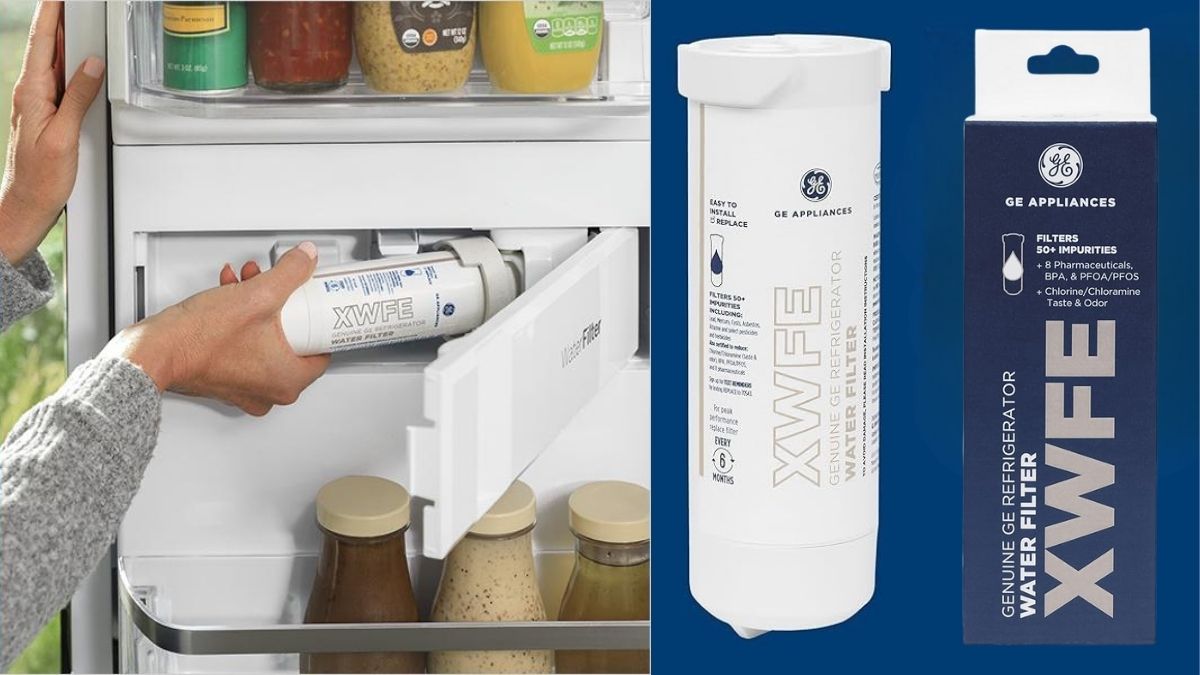
When I noticed odd-tasting water from my fridge one morning, I realized it was time to replace my filter.
Like many GE refrigerator owners, I landed on the GE XWFE—a filter that’s gained serious attention for its advanced tech and high-end filtration claims. But is it truly worth its premium price, or just another branded part meant to lock you into a specific ecosystem? Let’s unpack what makes this filter both impressive and controversial.
Understanding the XWFE Filter
Before diving into performance, it helps to know what this filter actually does and how it differs from others in the GE lineup.
A Smart Upgrade from the XWF
The XWFE is essentially the successor to the GE XWF model—but smarter. It’s built with RFID technology (Radio Frequency Identification), allowing your refrigerator to “recognize” the filter. That means your fridge knows whether it’s genuine GE and will even alert you when it’s time for a replacement.
At first, that sounds convenient. However, this same technology also means your fridge might reject non-GE filters entirely. So if you were planning to save a few bucks on a compatible version, this chip may stop you in your tracks.
Physically, the XWFE is compact and fits seamlessly into the designated compartment—usually in the upper left corner of the fridge. It twists in easily without tools, taking under two minutes to install. For a part you’ll be swapping every six months, that simplicity is a win.
What It Actually Filters Out
If you’re paying nearly $50 for a water filter, you’d expect serious performance—and the XWFE largely delivers.
Contaminants and Taste
GE claims the filter removes over 50 contaminants, including lead, chlorine, and pharmaceutical residues like ibuprofen and fluoxetine. The result is noticeably cleaner, better-tasting water. For households in older homes or regions with questionable tap quality, that’s reassuring.
The filter also targets chlorine-resistant cysts and sulfur compounds, both known for causing foul tastes and odors. It doesn’t remove fluoride (a plus for those who want to keep it), but it does achieve 99% reduction of PFOA and PFOS, the so-called “forever chemicals” that many consumers are increasingly concerned about.
Certified Quality
Unlike off-brand filters, the GE XWFE is NSF/ANSI certified, meaning it’s been independently tested for effectiveness. That certification alone justifies some of its cost since not all cheaper alternatives meet these standards.
Installation & Maintenance: A Hassle-Free Experience
Replacing the XWFE is refreshingly straightforward—no plumber, tools, or water shutoff required. Just twist the old one out, pop the new one in, and flush about two gallons of water to clear residual carbon.
GE recommends replacing the filter every six months, though that can vary based on water hardness. The refrigerator’s display typically tracks filter life, so there’s no need to guess.
The Compatibility Question
The biggest source of confusion around this filter is whether it’ll actually work with your fridge.
The XWFE is designed for GE French-door and select side-by-side refrigerators manufactured after 2019. While it fits older models that used the XWF filter, the RFID feature is what matters most—if your fridge requires RFID authentication, you’ll need this version specifically.
This RFID tech, while innovative, also creates a closed ecosystem. Many users have reported that their fridges refuse to dispense water when non-GE filters are used. So, while this ensures quality and authenticity, it can feel restrictive if you prefer third-party options.
Pros and Cons at a Glance
Before deciding if the GE XWFE deserves a spot in your shopping cart, let’s weigh what it really gets right—and where it might fall short. Here’s a quick breakdown to help you see both sides clearly.
What You’ll Love
- Strong filtration against lead, chlorine, PFAS, and pharmaceuticals.
- Easy installation with no tools required.
- Smart monitoring through RFID for authenticity and usage tracking.
- NSF certification, ensuring tested performance.
What Might Frustrate You
- Higher cost—about $50 per filter or more.
- RFID lock-in, which limits cheaper alternatives.
Variable lifespan depending on water conditions.
Price and Value Comparison
On average, the XWFE sells for $49.99–$59.99 per unit. Multipacks bring minor savings, but you’re still looking at roughly $100–$120 per year if you follow GE’s replacement schedule.
Third-party filters can cost less than half that, but due to RFID compatibility issues, many won’t work. It’s a bit of a trade-off—pay more for guaranteed performance or gamble on alternatives that may not be recognized by your fridge.
Should You Buy It?
If you own a compatible GE refrigerator, the XWFE isn’t just another option—it’s practically a requirement. Despite the price, its filtration power, reliability, and certification standards make it a solid investment for those prioritizing water quality.
Yes, the RFID feature feels restrictive, but it also ensures you’re getting a filter that meets GE’s safety standards. If you’re already committed to the GE ecosystem, it’s a small price to pay for consistent, clean, and great-tasting water.
And since this product ranks among Amazon’s bestsellers, it’s clear that many consumers find the trade-off worthwhile.