What the Ultimate Guide to Multifunctional Pedal Resistance Bands Reveals About Home Fitness
This post may contain affiliate links. Please read ourdisclosure policy
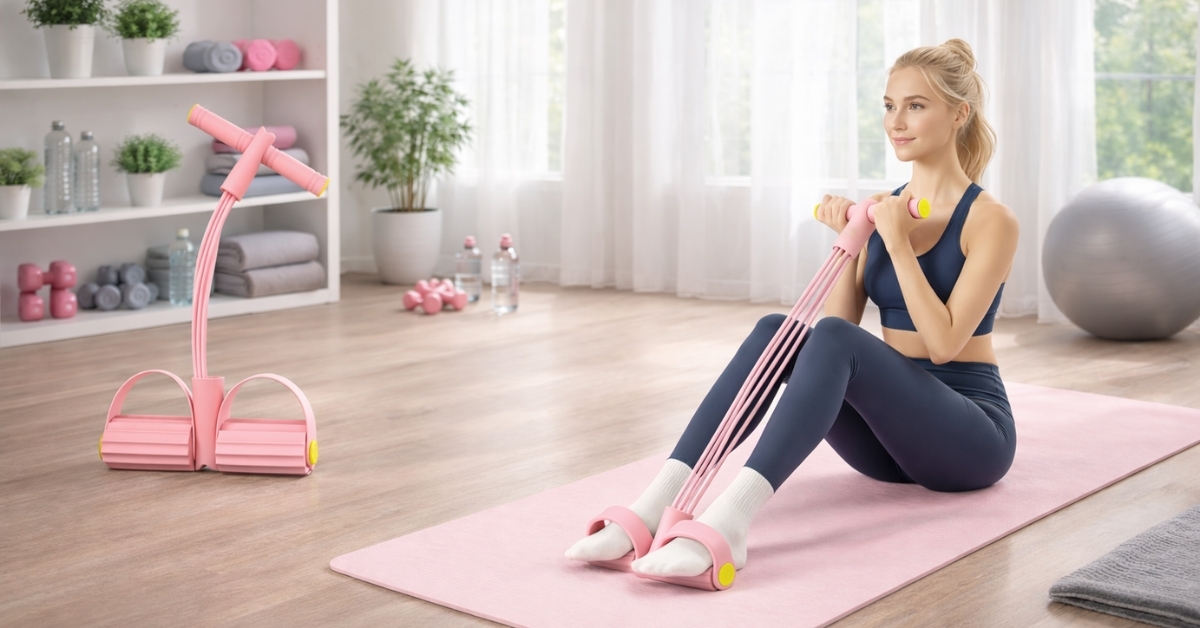
Home workouts have moved from a backup plan to a daily habit, and compact fitness tools now carry more weight than bulky machines. The Ultimate Guide to Multifunctional Pedal Resistance Bands exists for one simple reason: people want strength training that fits real life. These bands slide under a bed, travel easily, and still challenge muscles from head to toe.
Industry data from the American College of Sports Medicine (ACSM) continues to rank resistance training among the top fitness trends, while ACE (American Council on Exercise) confirms that resistance bands can deliver strength gains comparable to free weights when used correctly. That explains why wd workouts now appear in rehab clinics, apartments, and home gyms across the U.S. This guide breaks down how these systems work, what to expect from real use, and how to choose one that fits personal fitness goals.
Why Pedal Resistance Bands Are Replacing Bulky Home Gym Equipment
Space and flexibility drive buying decisions. Adjustable resistance band systems with pedals allow fast transitions between lower body, upper body, and core exercises without changing equipment. From a practical standpoint:
- No weight plates to store
- No assembly required
- No fixed movement path
Fitness trainers interviewed by ACE note that resistance bands support joint-friendly strength training, which reduces stress on knees, shoulders, and elbows compared to heavy free weights.
Pedal Resistance Band Design: Pedals, Tubes, and Handles Explained
Anti-Slip Pedals
Most quality models use PVC or reinforced ABS pedals with textured surfaces. During testing, wider pedals provided better stability for squats and lunges.
Resistance Tubes
Resistance increases by tube count:
- 3 tubes: light resistance
- 4 tubes: moderate training
- 6 tubes: strength building
- 8 tubes: advanced tension
Latex tubes deliver smoother resistance, while TPE tubes resist cracking for users with latex sensitivity.
Handles
Dense foam handles reduce grip fatigue during longer sessions, especially for shoulder and arm exercises.
Best Exercises Using a Pedal Resistance Band for Full-Body Training
Lower Body
- Seated leg presses
- Standing squats
- Hip abductions
- Calf raises
Upper Body
- Bicep curls
- Shoulder presses
- Rows
- Tricep extensions
Core
- Seated crunches
- Russian twists
- Standing oblique pulls
- Certified trainers confirm these movements maintain muscle tension throughout the full range of motion, which improves muscle engagement.
Home Gym Resistance Bands vs Weights: What You Gain and What You Lose
Advantages
- Lower joint stress
- Constant resistance
- Easy storage
- Safer for solo training
Limitations
- Maximum resistance caps strength progression
- Tube wear over time
- Less effective for powerlifting goals
- Sports medicine professionals often recommend bands as a complement rather than a full replacement for heavy lifting.
Real Amazon US Pricing and What You Actually Get
Based on current Amazon U.S. listings:
- 3-Tube Sets: $11–$13
- 4-Tube Sets: $15–$20
- 6-Tube Sets: $16–$25
- 8-Tube Premium Kits: $18–$30
- Accessory Bundles: $30–$50+
Higher-priced kits usually include door anchors, ankle straps, and exercise guides.
Who Benefits Most From Pedal Resistance Bands
Multiple perspectives matter:
- Beginners: Easy learning curve
- Older adults: Low-impact resistance
- Rehab users: Controlled motion
- Travelers: Lightweight portability
A 2022 Journal of Strength and Conditioning Research review supports resistance bands for improving muscular endurance and functional strength.
Care, Safety, and Durability Tips from Real Use
Observed wear appears most often at tube connection points. To extend lifespan:
- Store away from sunlight
- Avoid overstretching
- Inspect tubes weekly
- Release tension after use
Replacing tubes early prevents snapback injuries.
Advanced Training Methods for Experienced Users
For added difficulty:
- Combine two band sets
- Slow eccentric reps
- Add isometric holds
- Train single-leg movements
Strength coaches confirm tempo changes increase muscle activation even with lighter resistance.
Conclusion
Multifunctional pedal resistance bands bring structure, flexibility, and affordability into one compact system. They support strength training, mobility work, and recovery routines without demanding extra space or complex setup.
Exploring options on Amazon reveals a wide range of resistance levels, materials, and accessories worth comparing. Beyond bands, home fitness continues to evolve with tools that fit modern routines and limited space. Taking time to explore those options helps build a setup that stays useful long term.