Native Deodorant Review: Natural Odor Protection That Actually Works
This post may contain affiliate links. Please read ourdisclosure policy
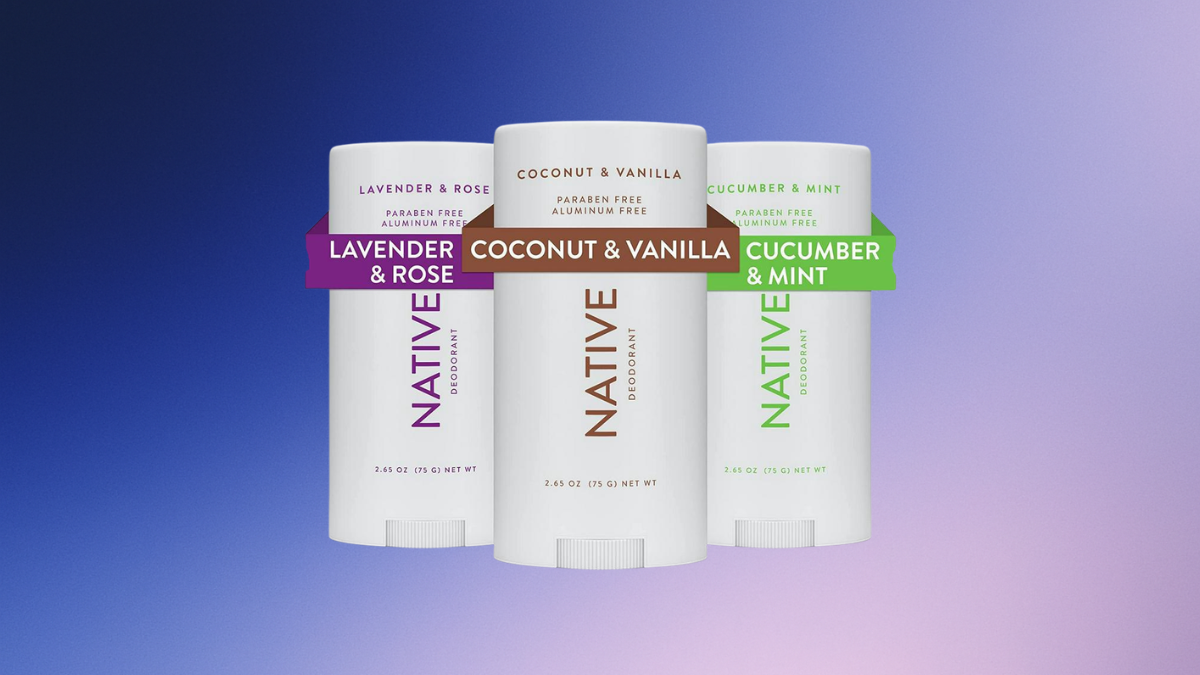
Initial use of natural deodorants often brings skepticism. Can an aluminum-free formula truly deliver effective odor protection? Native deodorant answers that question with confidence. Offering up to 72 hours of odor protection and a focus on naturally derived ingredients, the brand has become a staple in bathrooms across America.
The distinction goes beyond marketing claims. Carefully selected botanical extracts and plant-based compounds work together to maintain freshness throughout the day. Ingredient transparency and a commitment to cleaner formulations reinforce trust in the product. For those moving away from chemical-laden antiperspirants and exploring clean beauty alternatives, this guide provides a detailed breakdown of Native’s naturally derived formula. Key aspects include ingredient composition, performance in real-world conditions, and overall effectiveness in meeting expectations for aluminum-free deodorants.
What Makes Native Deodorant's Natural Ingredient Profile Stand Out
Native Deodorant distinguishes itself through a commitment to naturally derived ingredients rather than relying on aluminum compounds or synthetic chemicals. The formula centers on botanical components like coconut oil, shea butter, and tapioca starch—elements sourced from plant origins rather than laboratory synthesis. This approach eliminates aluminum salts entirely, moving away from traditional antiperspirant mechanisms and focusing instead on odor control through natural means.
The Clean Ingredient Foundation
The absence of parabens, phthalates, and synthetic fragrances in standard formulas represents a significant departure from conventional deodorant manufacturing. Native holds vegan and cruelty-free certifications, backed by third-party verification. These credentials address consumer concerns about hidden chemical exposure and ethical sourcing practices. The product avoids greenwashing pitfalls by maintaining transparent ingredient lists and honest messaging about what the deodorant can and cannot do—odor control without sweat suppression.
Natural vs. Conventional: The Real Difference
When examining naturally derived formulations against synthetic alternatives, the distinction matters beyond marketing language. Native's approach prioritizes ingredient transparency and botanical sourcing, positioning the product as a cleaner alternative for consumers seeking fewer synthetic compounds in their daily routine.
Breaking Down Native's Key Natural Ingredients and Their Functions
Each component in Native's formula serves a specific purpose in the odor-control mechanism. Understanding these ingredients reveals how the product achieves its 72-hour protection claim through layered, synergistic action.
Caprylic/Capric Triglyceride and Skin Conditioning
This ingredient functions as a moisture-locking agent derived from coconut oil, conditioning the underarm area while maintaining the stick's smooth application consistency. It prevents the formula from becoming chalky or irritating during application.
Tapioca Starch: Natural Absorption
Tapioca starch absorbs excess moisture without blocking pores, managing humidity levels while allowing the skin to breathe naturally. This ingredient addresses moisture control without the antiperspirant mechanism, making it suitable for users avoiding aluminum-based sweat blockers.
Magnesium Hydroxide: The Odor Neutralizer
This mineral compound directly neutralizes odor-causing bacteria. Rather than preventing sweat production, magnesium hydroxide interrupts the bacterial processes that create odor, making it a core active ingredient in Native's formula.
Coconut Oil's Antimicrobial Properties
Coconut oil brings natural antimicrobial benefits alongside serving as a fragrance base for scent variants like Coconut & Vanilla. Its antimicrobial action supports the odor-neutralizing process while contributing to the formula's natural appeal.
Shea Butter for Skin Barrier Support
Shea butter strengthens the skin barrier and enhances the smooth application experience. Its emollient properties prevent irritation and maintain underarm skin comfort throughout the day.
Natural Fragrance and Extended Protection
The synergistic combination of these ingredients creates a layered protection system. Magnesium hydroxide neutralizes odor at the bacterial level, while tapioca starch manages moisture, coconut oil provides antimicrobial support, and shea butter protects skin integrity. This multi-pronged approach extends protection across the claimed 72-hour window for typical use cases.
Naturally Derived vs. Synthetic: Understanding the Ingredient Difference
Naturally derived ingredients undergo extraction and processing from plant sources, whereas synthetic alternatives are chemically manufactured in laboratories. This distinction carries practical implications for skin compatibility and ingredient transparency.
Processing and Extraction Reality
Naturally derived doesn't mean unprocessed or chemical-free—extraction methods involve refining plant compounds to isolate active constituents. Understanding this distinction helps consumers avoid misconceptions about what "natural" truly signifies in cosmetic formulation.
Why Chemical-Free Claims Miss the Mark
All ingredients, whether plant-derived or synthetic, are chemical compounds. The meaningful distinction lies in sourcing and processing methodology rather than the absence of chemistry itself. Regulatory standards for natural ingredient claims require transparent sourcing documentation, yet definitions vary across regions and certifying bodies.
Synthetic Alternatives and Skin Response
Conventional deodorants often contain aluminum-based compounds that can trigger sensitivity in reactive skin types. Plant-based alternatives generally present lower irritation risk, though individual responses vary. Scientific evidence increasingly supports plant-based odor control mechanisms, particularly magnesium hydroxide and coconut oil derivatives.
Your Path to Clean, Naturally Derived Odor Protection Starts Here
Native deodorant demonstrates that naturally derived ingredients can provide effective odor control without sacrificing simplicity or performance. Carefully selected botanical compounds—such as coconut oil for antimicrobial support and magnesium hydroxide for odor neutralization—work together to deliver up to 72 hours of freshness.
Transitioning from aluminum-based antiperspirants or exploring natural deodorant options highlights the importance of understanding underarm care ingredients. Natural deodorant formulas vary in effectiveness depending on individual needs. Sensitive skin types may benefit from baking soda-free variants, while those with light to moderate odor concerns can expect reliable results from this formulation. Individuals with intense perspiration should maintain realistic expectations, as deodorants differ from antiperspirants in function.
Product selection can begin with popular options such as the Coconut & Vanilla variant or the sensitive skin line to determine the best fit. Naturally derived formulations offer a balance of transparency and performance for those seeking a cleaner approach to personal care.