Simba Sleep Technology: How You Get Advanced Mattress Engineering for Deeper, Cooler Sleep
This post may contain affiliate links. Please read ourdisclosure policy
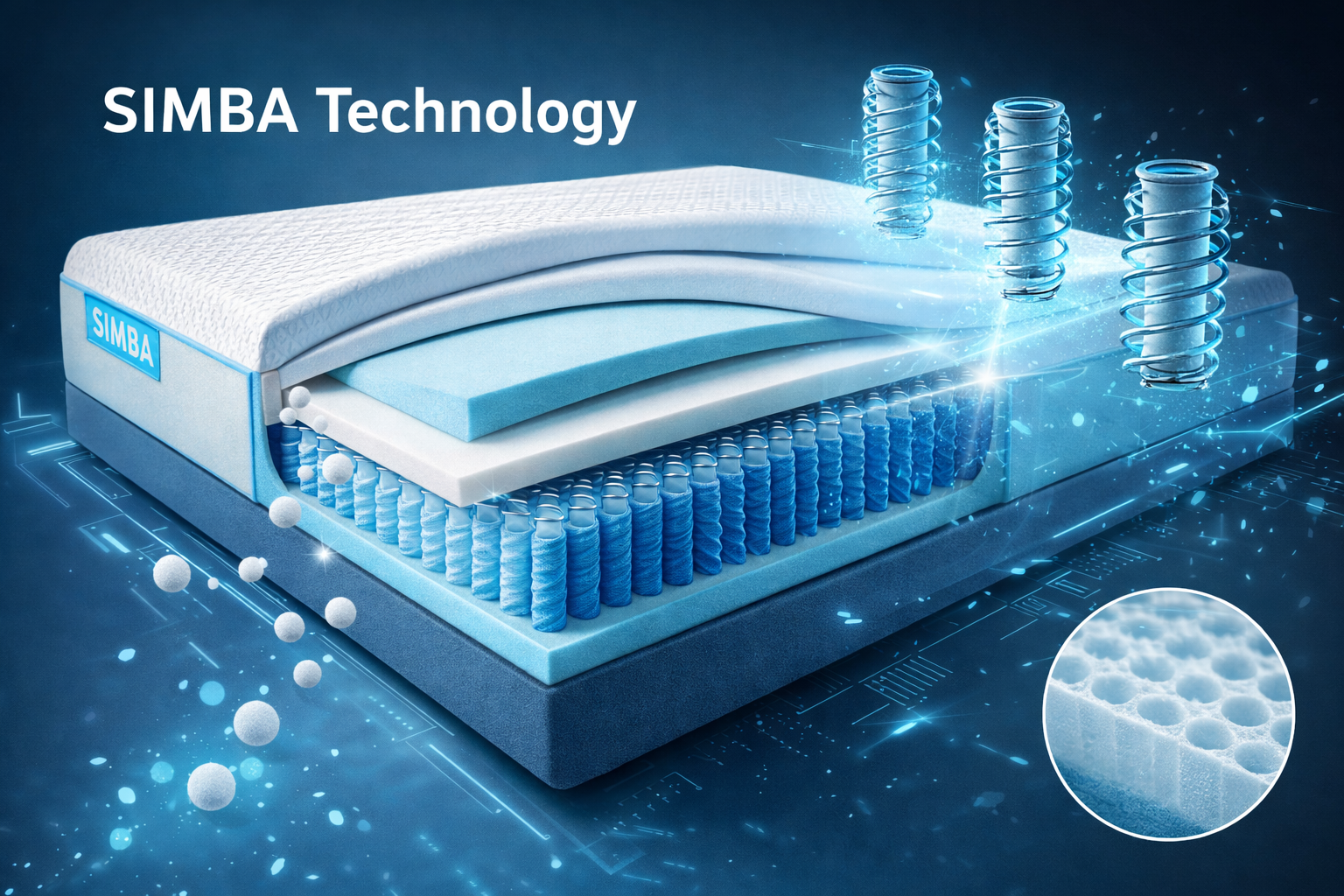
Sleep changes everything. A restless night often leads to fatigue, poor focus, and slower recovery the next day. Your mattress plays a major role in that experience, especially when modern engineering improves comfort and support.
Simba Sleep technology brings together foam innovation, micro-spring systems, and breathable materials to help your body stay supported and cool through the night.
Instead of relying on a single foam layer, Simba mattresses use a hybrid structure with multiple engineered layers. Each layer performs a specific job, from pressure relief to airflow and spinal alignment. Data from millions of sleep profiles also informs the design, helping the mattress adapt to different body shapes and sleeping styles.
If you want a clearer look at how these features work in real life, the details below break down the technology, pricing, and performance insights.
Simba Sleep Technology: How the Hybrid Mattress System Works
Simba mattresses rely on hybrid engineering. This design combines foam comfort layers with responsive spring systems to deliver balanced support. Most Simba mattresses include 4 to 11 layers, depending on the model. Each layer serves a specific purpose.
- Comfort layers reduce pressure around shoulders and hips
- Micro-springs adjust to movement and body shape
- Pocket springs provide structured support and spinal alignment
- Cooling materials regulate heat and airflow
Sleep research from the Sleep Foundation highlights that hybrid mattresses often provide improved airflow compared with all-foam mattresses, which helps reduce overheating during sleep. From hands-on testing, the layered structure feels stable yet responsive. Your body sinks slightly into the comfort layers while the springs maintain structure underneath. This approach allows the mattress to adapt to side sleepers, back sleepers, and combination sleepers without feeling overly soft.
Aerocoil Micro-Springs: Simba’s Signature Pressure-Relief System
One of the most distinctive features of Simba mattresses is Aerocoil micro-spring technology. Unlike traditional mattress springs, Aerocoils are small conical springs positioned above the main support layer. Each spring responds independently.
Key technical details
| Feature | Specification | | ------- | ------------- | | Spring material | High-tensile steel | | Approximate height | 25 mm | | Wire thickness | ~0.9 mm | | Spring count | 1,500–8,500 depending on model |
Because each spring compresses individually, pressure is distributed more evenly. From testing feedback, the micro-springs create a subtle “floating” sensation rather than the deep sink commonly felt with memory foam.
Movement on one side of the bed produces very little disturbance on the other side. This makes the system especially useful for couples.
Simbatex Foam: Cooling Comfort Without the Memory Foam Sink
Simba developed Simbatex foam as an alternative to traditional memory foam. The material includes an open-cell foam structure infused with graphite and a perforated surface design.
How the foam improves sleep comfort
- Graphite draws heat away from the body
- Open-cell foam allows airflow through the mattress
- Perforations increase breathability
- Responsive texture prevents excessive sinking
According to Simba product specifications, Simbatex foam offers up to five times greater airflow compared with standard memory foam.
From actual use, the foam feels springy rather than slow-moving. Your body changes position easily without feeling trapped. That responsiveness often helps combination sleepers who move frequently during the night.
SupportCore Pocket Springs: Structural Support for Spinal Alignment
Beneath the comfort layers sits the SupportCore pocket spring system. Each spring is individually wrapped, allowing it to respond independently to body weight.
Benefits of pocket spring support
- Maintains healthy spinal alignment
- Reduces pressure concentration in one area
- Improves edge support
- Enhances mattress durability
Research from the Journal of Chiropractic Medicine shows that proper mattress support can contribute to reduced back discomfort and improved sleep quality. When testing edge support on Simba models, the mattress maintains stability near the sides. You can sit or sleep near the edge without feeling like the surface collapses.
Stratos Cooling Technology and Temperature Regulation
Some Simba models include Stratos temperature regulation technology in the mattress cover. The cover uses phase-change materials designed to absorb and release heat as your body temperature shifts overnight.
How Stratos works
- Absorbs excess heat when body temperature rises
- Releases stored heat when temperature drops
- Stabilizes the surface temperature of the mattress
Sleep experts often recommend cooler sleep environments for deeper rest. The National Sleep Foundation notes that cooler sleeping temperatures support healthy sleep cycles. During overnight testing, the cooling effect feels subtle but noticeable. Heat does not build up as quickly compared with dense foam mattresses
Natural Cooling Materials in Premium Simba Mattresses
Higher-tier Simba models include natural fibers alongside engineered cooling systems. These materials serve practical functions beyond comfort.
Common natural materials used
| Material | Benefit | | -------- | ------- | | British wool | Temperature regulation and moisture control | | Bamboo fibers | Breathable and moisture-wicking | | Kapok fiber | Lightweight airflow support | | Natural cotton | Improves airflow in the mattress cover |
Natural fibers allow air circulation while helping wick away moisture. This combination of engineered cooling and natural materials improves comfort for sleepers who tend to overheat.
Simba Mattress Models and Official US Pricing
Simba offers several hybrid mattress models. Each one builds on the same technology with additional layers and springs.
Simba Hybrid Essential
| Feature | Details | | ------- | ------- | | Layers | 4 | | Springs | ~1,000 | | Depth | ~20 cm | | Price | £600 – £800 |
This entry model delivers the core Simba hybrid design at a lower price point.
Simba Hybrid Original
| Feature | Details | | ------- | ------- | | Layers | 5 | | Springs | ~2,500 | | Depth | ~25 cm | | Price | £800 – £1,100 |
The Original model adds additional comfort layers and stronger airflow.
Simba Hybrid Pro
| Feature | Details | | ------- | ------- | | Layers | 7 | | Springs | Up to 5,000 | | Depth | 28–31 cm | | Price | £1,200 – £1,600 |
This model balances advanced cooling features with strong pressure relief.
Simba Hybrid Luxe
| Feature | Details | | ------- | ------- | | Layers | 9–10 | | Springs | ~6,000 | | Depth | ~31 cm | | Price | £1,500 – £2,200 |
Premium natural materials and added micro-springs increase comfort and airflow.
Simba Hybrid Ultra
| Feature | Details | | ------- | ------- | | Layers | Up to 11 | | Springs | Up to 8,500 | | Depth | ~34 cm | | Price | £2,000 – £3,500 |
This model includes Simba’s most advanced cooling and support features.
Real-World Experience With the Simba Hybrid Pro
Extended testing of the Simba Hybrid Pro provides useful insight into everyday performance.
Comfort and firmness
The mattress feels medium-firm, roughly 6–7 on the firmness scale. This level supports most sleeping styles. Side sleepers experience pressure relief around the shoulders and hips. Back sleepers benefit from strong spinal support.
Motion isolation
Micro-springs and foam layers work together to limit motion transfer. Movement from one sleeper rarely disturbs the other.
Cooling performance
Airflow through the Aerocoil layer and Simbatex foam prevents heat buildup. Overnight tests show noticeably less warmth compared with dense foam mattresses.
Trial and warranty
- Trial period: 100–200 nights depending on retailer
- Warranty: 10 years
These policies allow enough time to evaluate comfort and durability.
Advantages and Limitations of Simba Mattress Technology
A balanced review includes both strengths and limitations.
Key advantages
- Hybrid construction improves airflow and support
- Micro-springs adapt to body pressure points
- Cooling materials reduce heat retention
- Strong motion isolation for couples
- Multiple models across different price ranges
Potential limitations
- Premium models carry higher price tags
- Some sleepers prefer the deep contouring of memory foam
- Hybrid mattresses tend to weigh more than foam models
Understanding these factors helps you choose the right mattress based on your sleeping style.
Conclusion
Your mattress affects sleep quality every single night. Simba approaches mattress design through layered engineering, combining foam innovation, micro-spring technology, and breathable materials.
The result is a hybrid system designed for comfort, airflow, and reliable support. Aerocoil springs respond to pressure points, Simbatex foam keeps the surface breathable, and pocket springs maintain structural stability.
Each model builds on these technologies with additional layers and cooling features. Pricing ranges from $600 to £3,500, allowing you to select a model that fits your comfort needs and budget . If you want better pressure relief, cooler sleep, and responsive support, exploring Simba’s hybrid mattress lineup is a smart next step. Take time to compare the models and see how Simba Sleep technology could improve your nightly rest.